
Unified aeronautical communications
Beyond voice
Frequentis Unified Aeronautical Communications brings voice, automation, recording, and AI-based speech recognition into a single integrated operational environment. By connecting these traditionally separate domains, it reduces fragmentation, simplifies controller workflows, and creates the foundation for new operational concepts, future communication technologies, and advanced safety nets.
Built on a modular, service-oriented architecture, Unified Aeronautical Communications, helps air navigation service providers move beyond voice as a standalone function and towards communication as a fully integrated part of ATM operations.
Key benefits
- Integrated controller workflows across communication and automation
- Reduced workload through fewer interface changes and less manual handling
- Improved situational awareness with communication shown in flight context
- New safety nets through readback checking and speech-based support
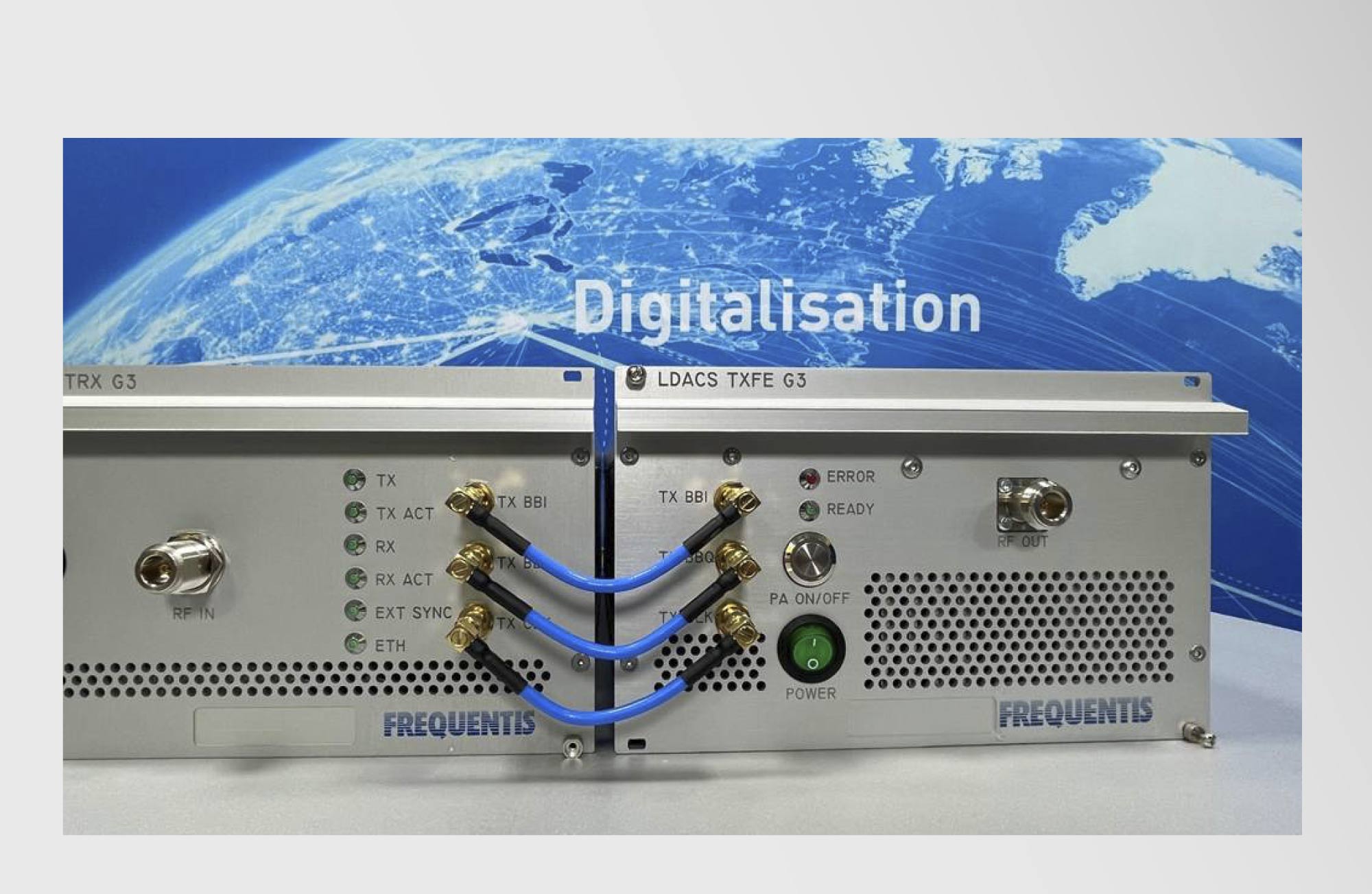
- Readiness for future communication technologies such as SATVoice and LDACS
- On-site AI speech recognition and enhancement for safety-critical use
- Seamlessly integrated ATC communications into operational workflows
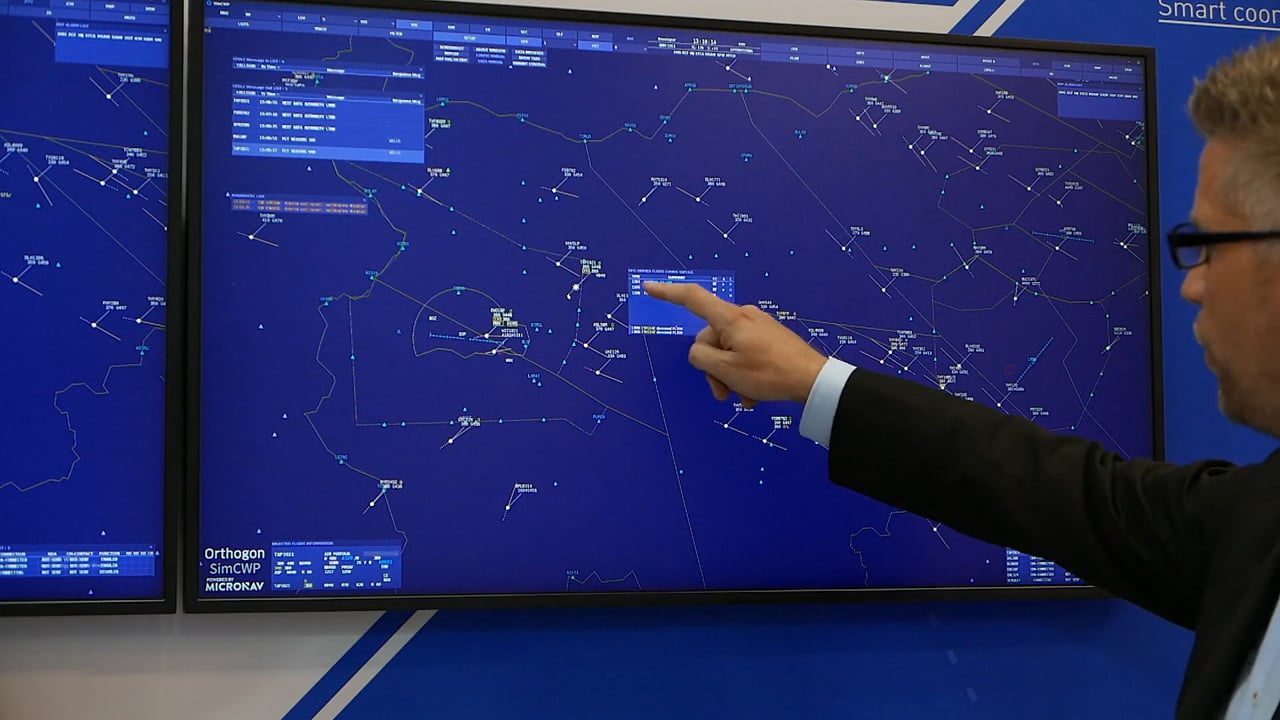
Communication in flight context
Air traffic communication is becoming broader and more complex. Traditional air-ground voice is now complemented by data link exchanges, silent coordination between controllers, and future concepts such as IP voice directly to the cockpit. At the same time, underlying communication infrastructures are evolving, from conventional HF and VHF towards satellite communication, LDACS, and other digital transport technologies.
If introduced as separate layers, this growing variety would add complexity to the controller’s task. Unified Aeronautical Communications addresses this challenge by integrating communication functions directly into the operational environment. This means the controller no longer has to work across disconnected tools. Voice, automation, recording, and AI-supported functions are brought together in one context-aware HMI, linked directly to the flight and the operational situation.
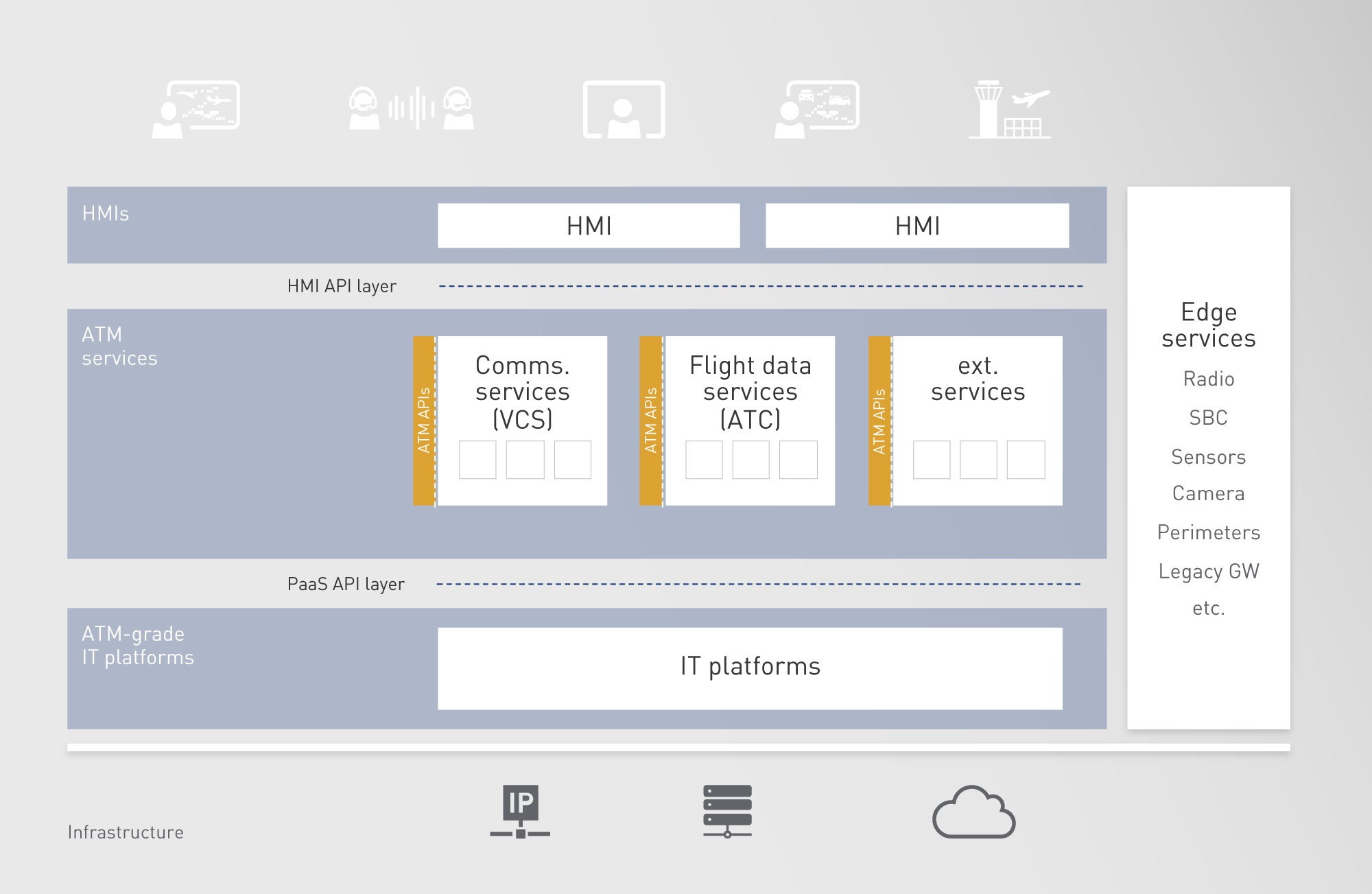
Built on the MosaiX platform, this approach also supports the broader Service Delivery Model, with clear separation of infrastructure, platform, services, and HMI. This architectural foundation enables scalable integration across on-premise, hybrid, and cloud-ready deployments.
Unified Aeronautical Communications links communication directly to the aircraft and to the operational context. Instead of handling radio, data link, coordination, and replay functions separately, the controller sees the communication flow in one structured view.
This enables:
- flight-specific coordination between controllers
- communication history linked to the aircraft
- combined visibility of radio transmission and data link exchanges
- direct replay of previous pilot and controller transmissions
- improved continuity between sectors and roles
The result is faster coordination, less manual searching, and more focus on traffic management. Unified Aeronautical Communications is a practical step towards a more integrated ATM future. It connects voice, automation, recording, and AI in one operational environment, reduces fragmentation, and opens the door to future communication concepts. It is not just about modernising voice. It is about making communication an integrated and intelligent part of ATM operations.
Direct interaction from the automation screen
AI-based speech recognition and enhancement
Communication continuity across sectors
Built for future communication infrastructures
From separate systems to one integrated environment
Standardisation as the foundation for interoperability
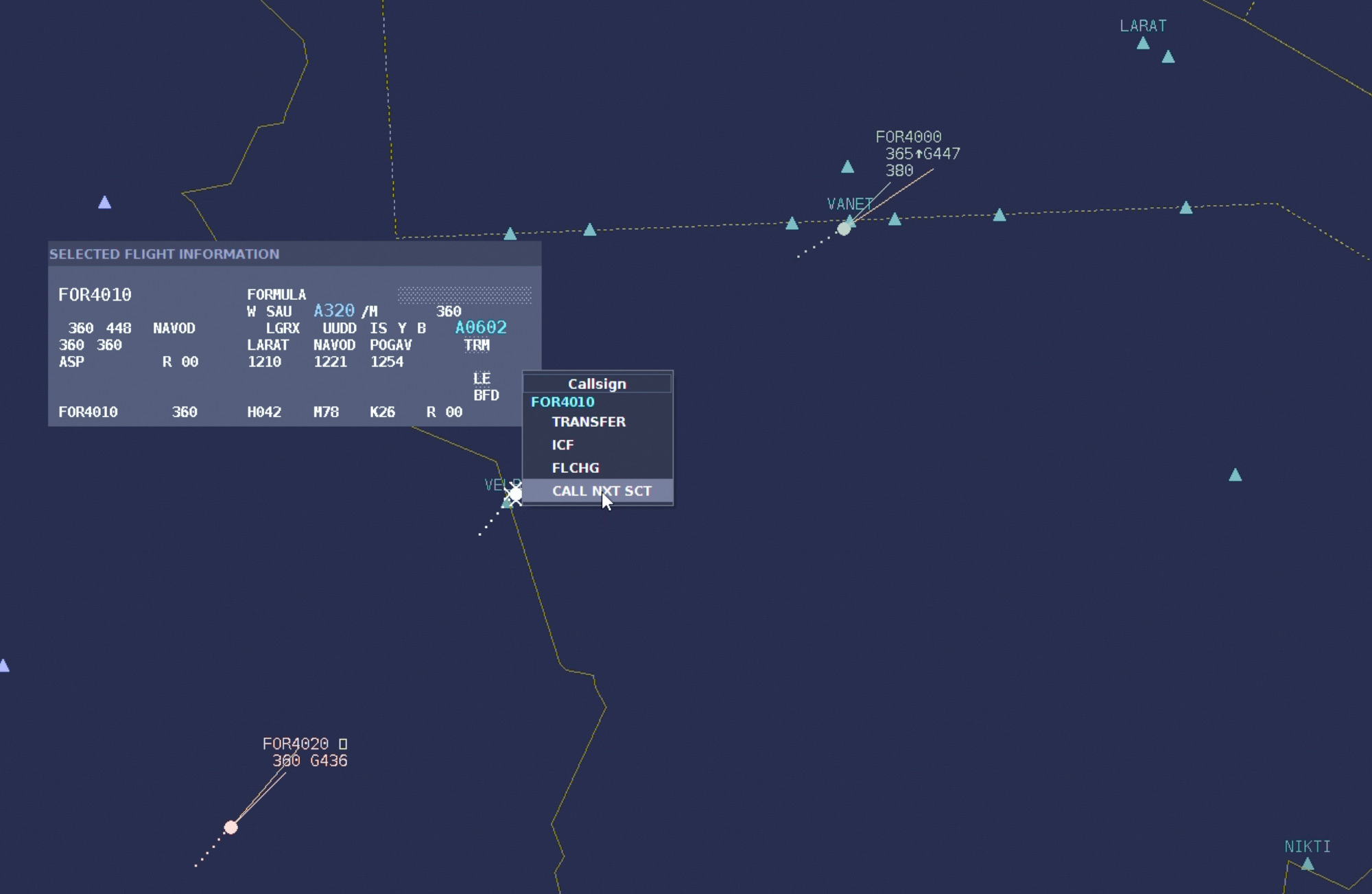
Communication functions are triggered directly from the automation HMI, enabling controllers to coordinate, manage frequencies, accept calls, and access context without leaving the operational screen.
In tower and centre operations, this reduces distraction and supports smarter, traffic-aware coordination for faster, more precise communication.
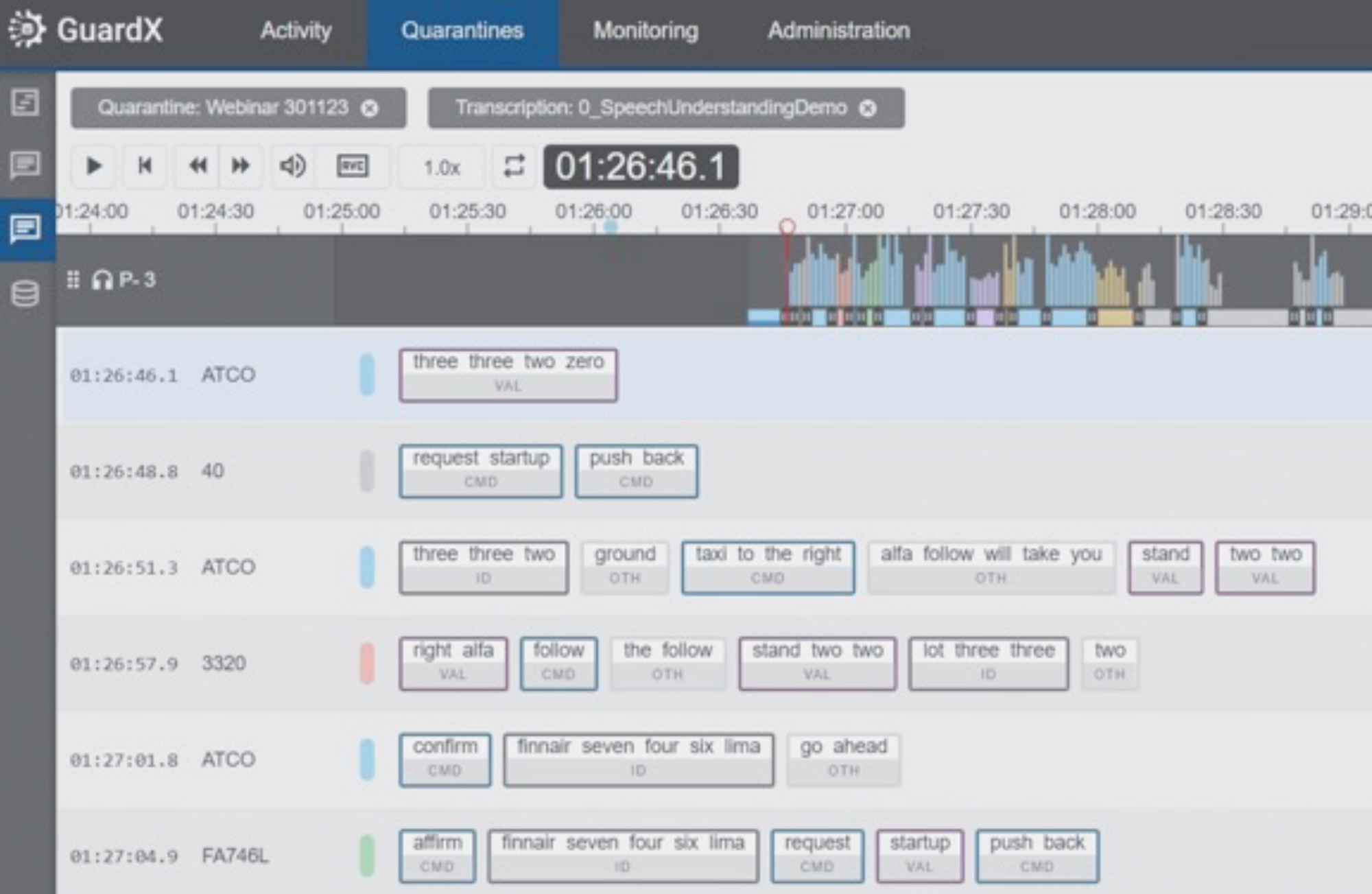
AI-based speech recognition and enhancement enable real-time operational support beyond post-event analysis.
Speech recognition supports speech-to-text, call sign and clearance recognition, readback checking, mismatch alerting, and extraction of structured operational meaning from spoken communication, creating the foundation for advanced usability and safety functions.
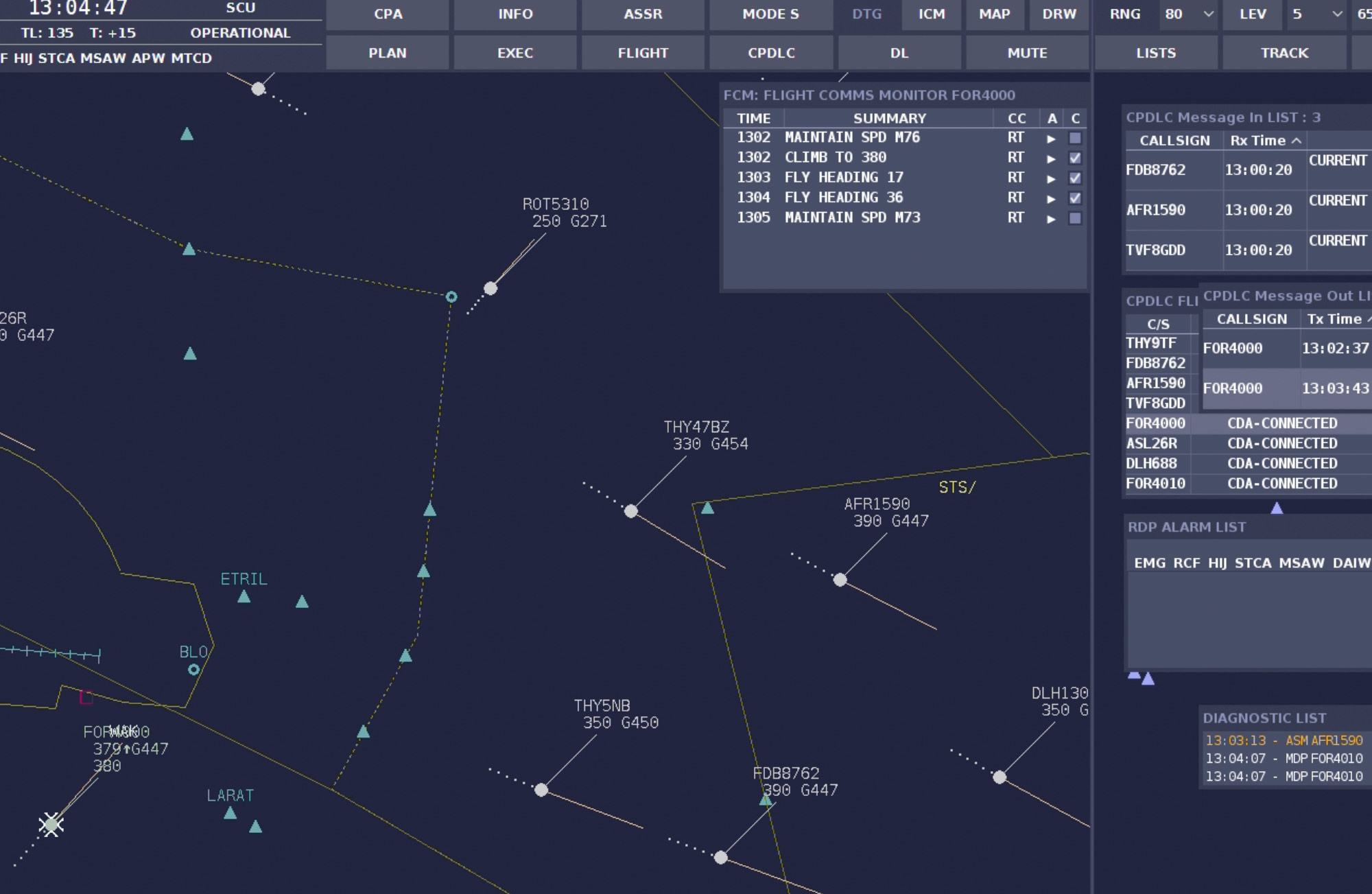
By linking communication directly to the flight, Unified Aeronautical Communications creates a shared operational context across roles and sectors. Voice, data link, transcripts, and replay functions remain visible in one structured view, helping controllers maintain continuity, improve situational awareness, and support safer handovers throughout the flight.
Designed to support the next generation of digital and IP-based aeronautical communications, the concept enables smooth adoption of SATVoice, LDACS, future cockpit connectivity, hyperconnected ATM environments, and assisted collaboration. By integrating communication and automation behind one consistent operational interface, controllers benefit from reduced complexity and more efficient workflows.
Applying Service Delivery Model principles, Unified Aeronautical Communications integrates ATC and VCS functions through a decoupled architecture. By separating infrastructure, platform services, ATM services, and the HMI layer, voice, automation, recording, and speech processing can be connected through defined APIs for greater scalability and flexibility.
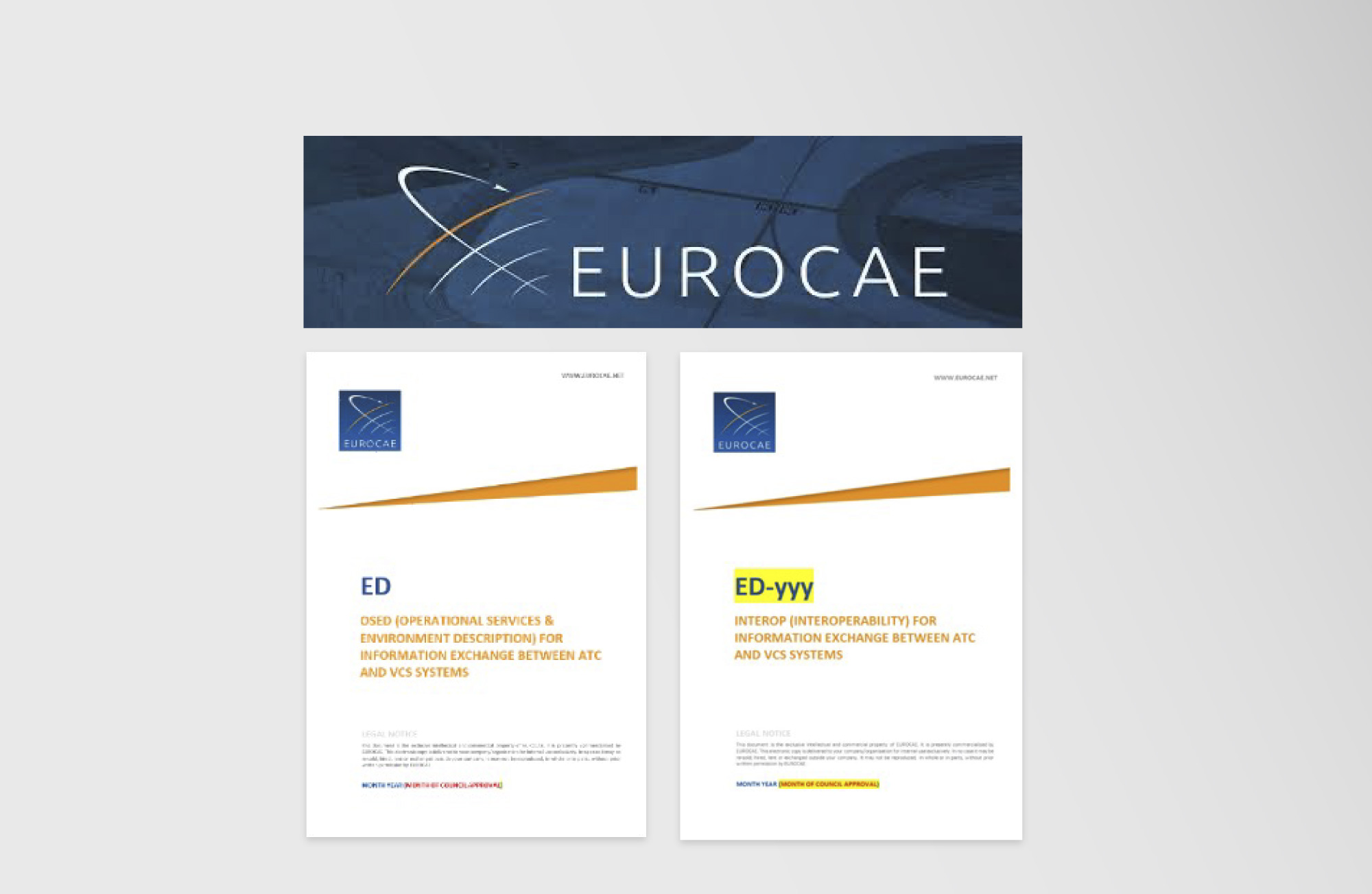
Frequentis actively contributes to EUROCAE WG-126, helping define the operational and technical foundations for ATC–VCS integration. The work addresses operational use cases, interoperability specifications between communication and flight data services, and speech recognition ontology, creating vendor-neutral foundations for interoperable, future-ready aeronautical communications.
Related Products
Videos
By watching a video Vimeo/YouTube will store cookies on your end-device. See chapter 2 and 3 of the Privacy Notice.
eXplore: Unified Aeronautical Communications

The video link has been copied to clipboard
Demo: Unified Aeronautical Communications
The video link has been copied to clipboard
Manage cookies