
Service Delivery Model
Interoperability and portability enabled by cloud-native architecture
For Frequentis, the Service Delivery Model is a strategic architecture vision for the next generation of air traffic management systems. It moves operational capabilities from tightly coupled system blocks towards decoupled, interoperable and cloud-native services. Frequentis started this transition years ago with MosaiX as the platform foundation. Today, the same direction is reflected by SESAR, DFS and other leading industry stakeholders, and is becoming concrete through the Phoenix nG implementation with DFS.
Key benefits
- Frequentis architectural vision
- MosaiX as platform foundation
- Decoupled HMI and backend services
- Standardised APIs and message topics
- Multi-vendor component interoperability
- Cloud, on-premise, hybrid deployment
- Procurement flexibility by service
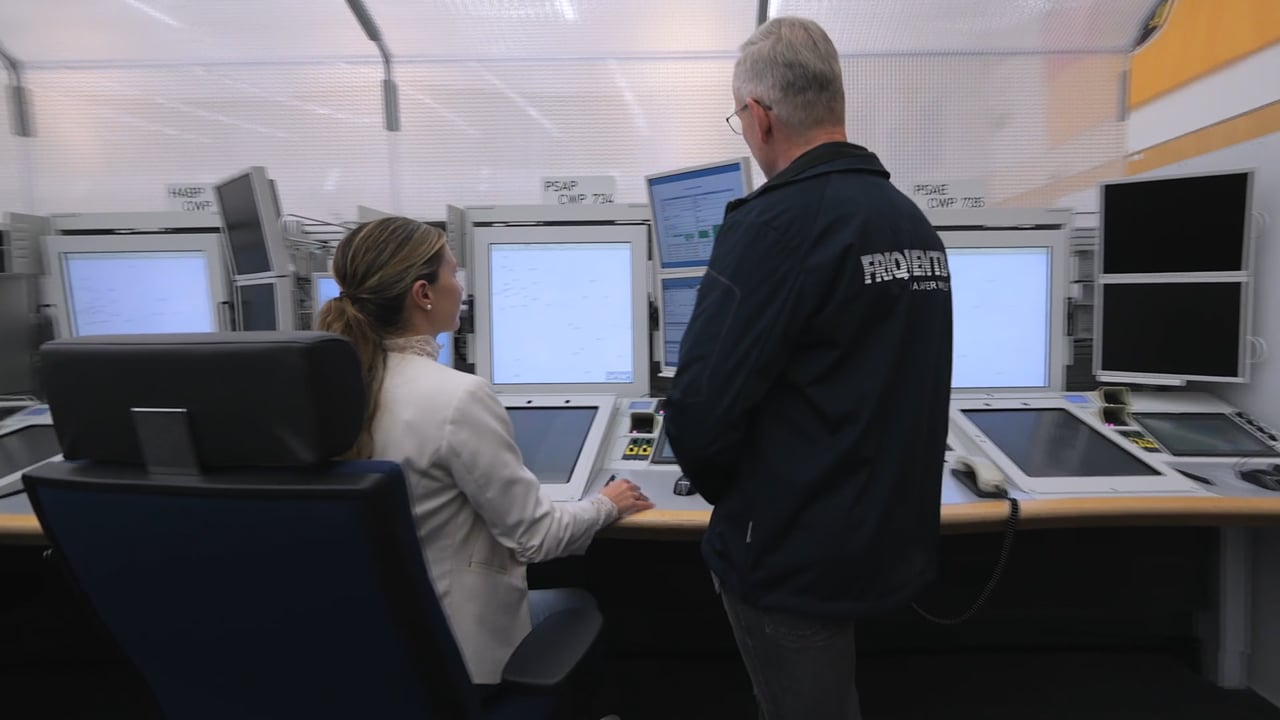
From monolithic systems to layered services
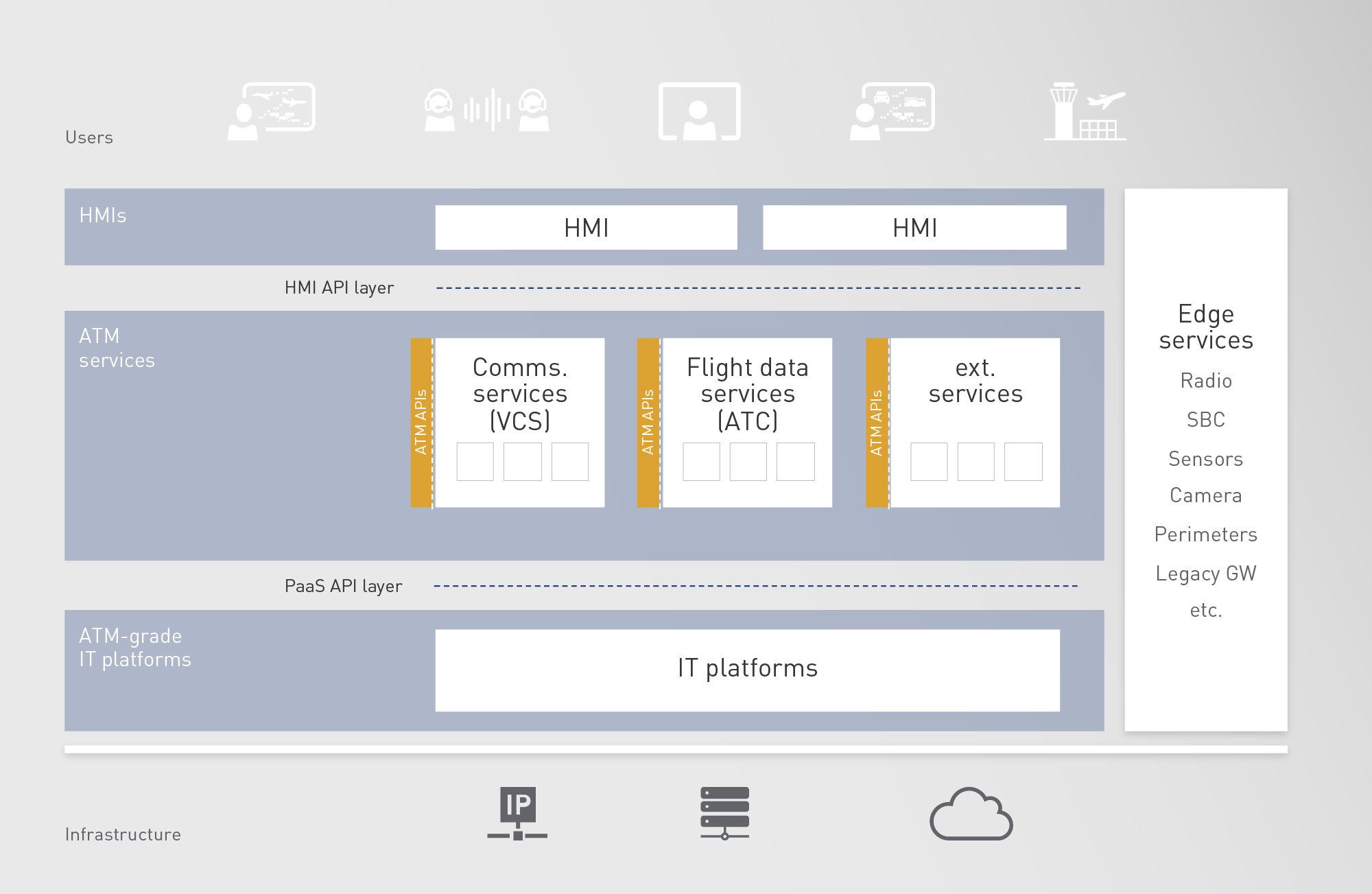
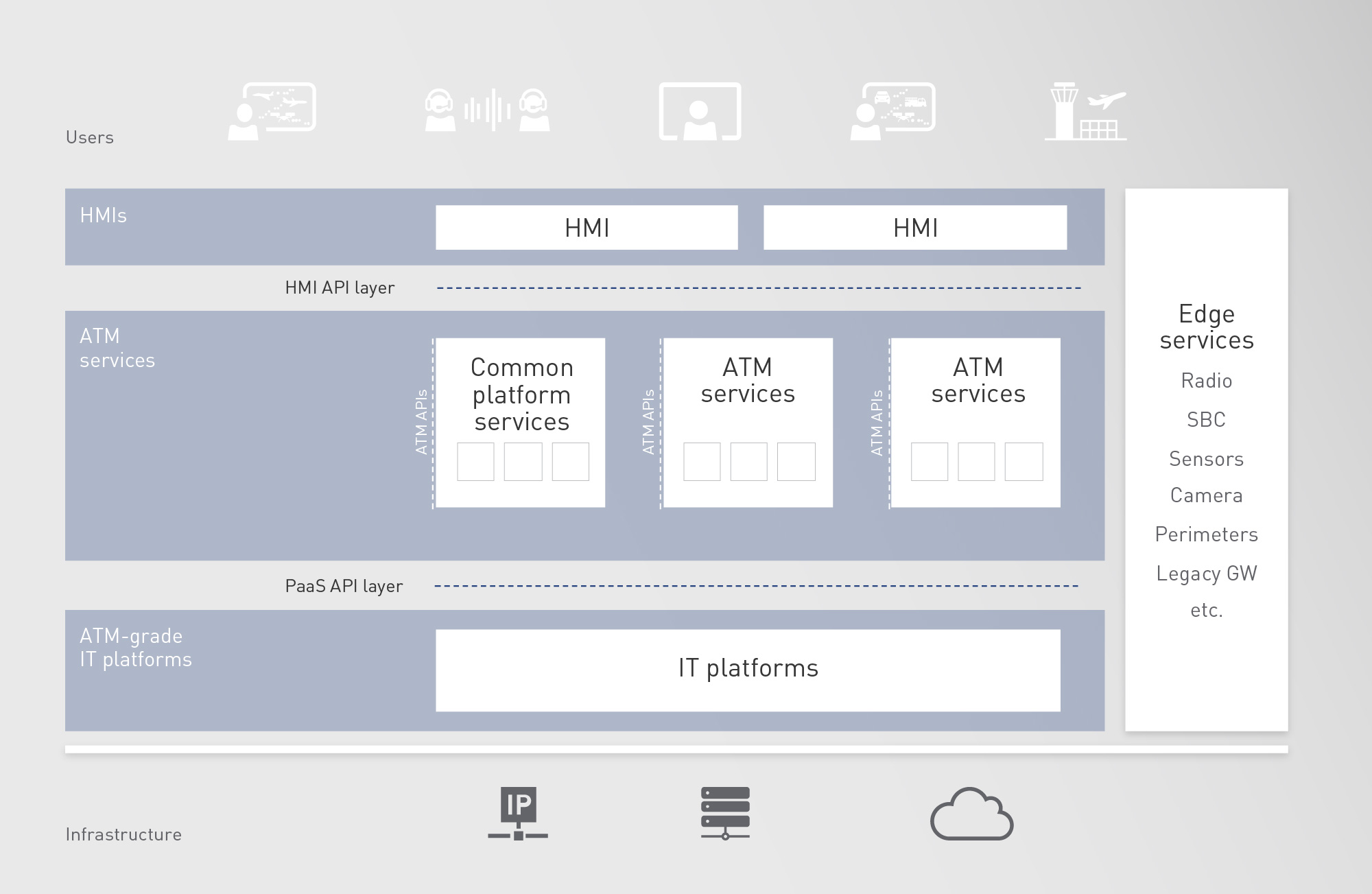
Frequentis sees the Service Delivery Model as the target architecture for a more open, interoperable and future-proof ATM environment. The model addresses a structural limitation of current implementations: HMI, application logic, platform services and infrastructure are often delivered as tightly coupled deployments. The future architecture separates these concerns into defined layers: decoupled HMIs, ATM services, common platform services, ATM-grade IT platforms and supporting edge services. Interfaces between these layers are exposed through standardised APIs and event topics.
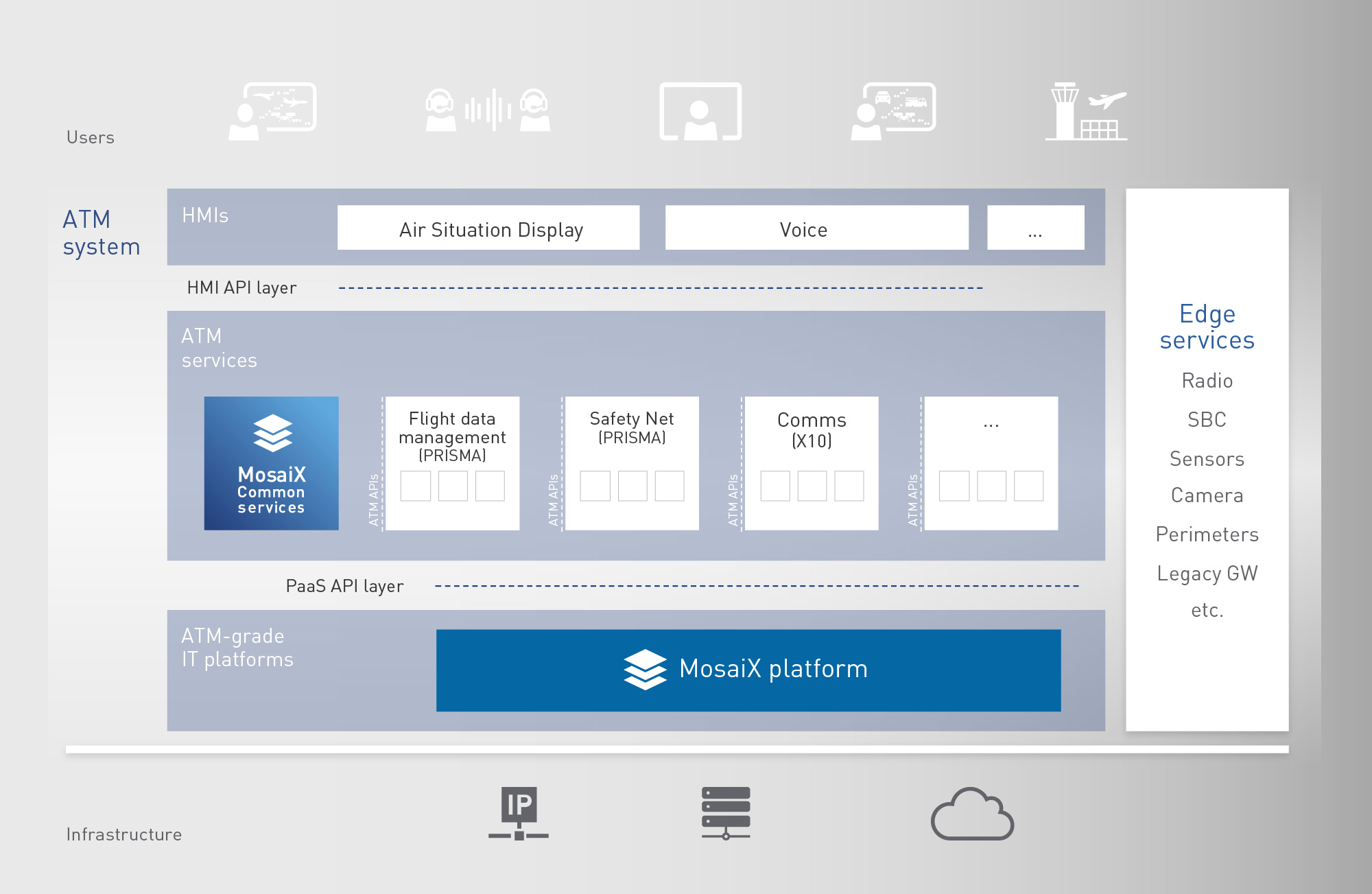
This is not a theoretical shift. Frequentis has been moving its portfolio in this direction for years through MosaiX, our virtualised and container-based platform approach for safety-critical ATM environments. MosaiX provides the operational foundation for deployment, orchestration, monitoring, cyber security and lifecycle management. On top of this foundation, products such as PRISMA and X10 are evolving towards service-based architectures.
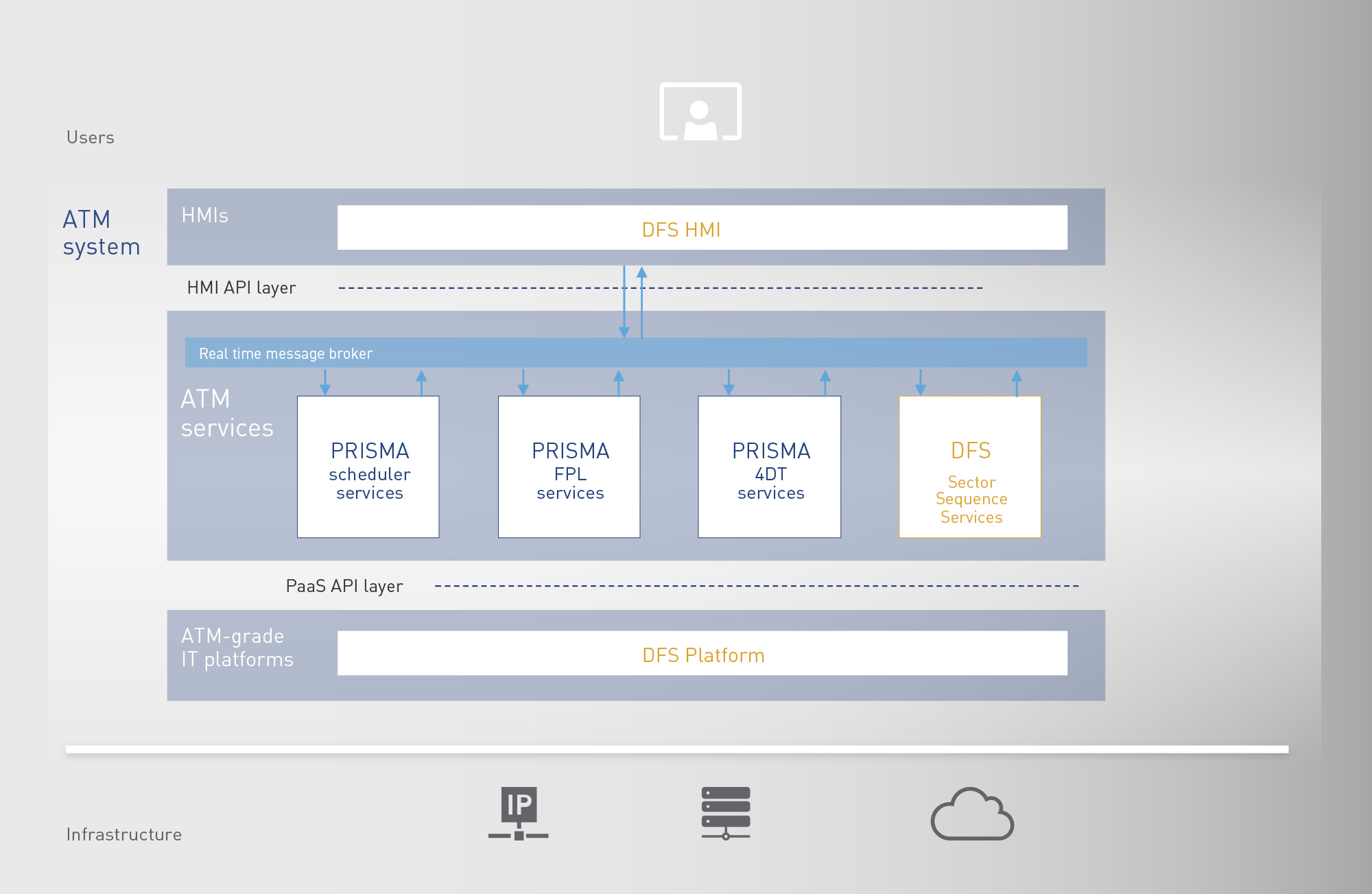
The industry direction is now converging with this vision. SESAR’s SDO 8 describes a service-oriented delivery model that decouples service provision from local infrastructure, uses open platforms and interfaces, and enables cloud-native deployment. Together with DFS, Frequentis is turning this architecture into a first real operational implementation through Phoenix nG, using service-based PRISMA flight data processing on a next-generation cloud-native platform.
Decoupled HMI layer
Level 1 and Level 2 decomposition
MosaiX platform foundation
Open APIs and data exchange
Deployment freedom and resilience
Phoenix nG with DFS
HMIs consume backend capabilities through a defined HMI API layer. Controller working positions can therefore evolve independently from backend services. This supports headless architectures, distributed centre concepts and future operational setups where HMI execution and service execution are not necessarily co-located.
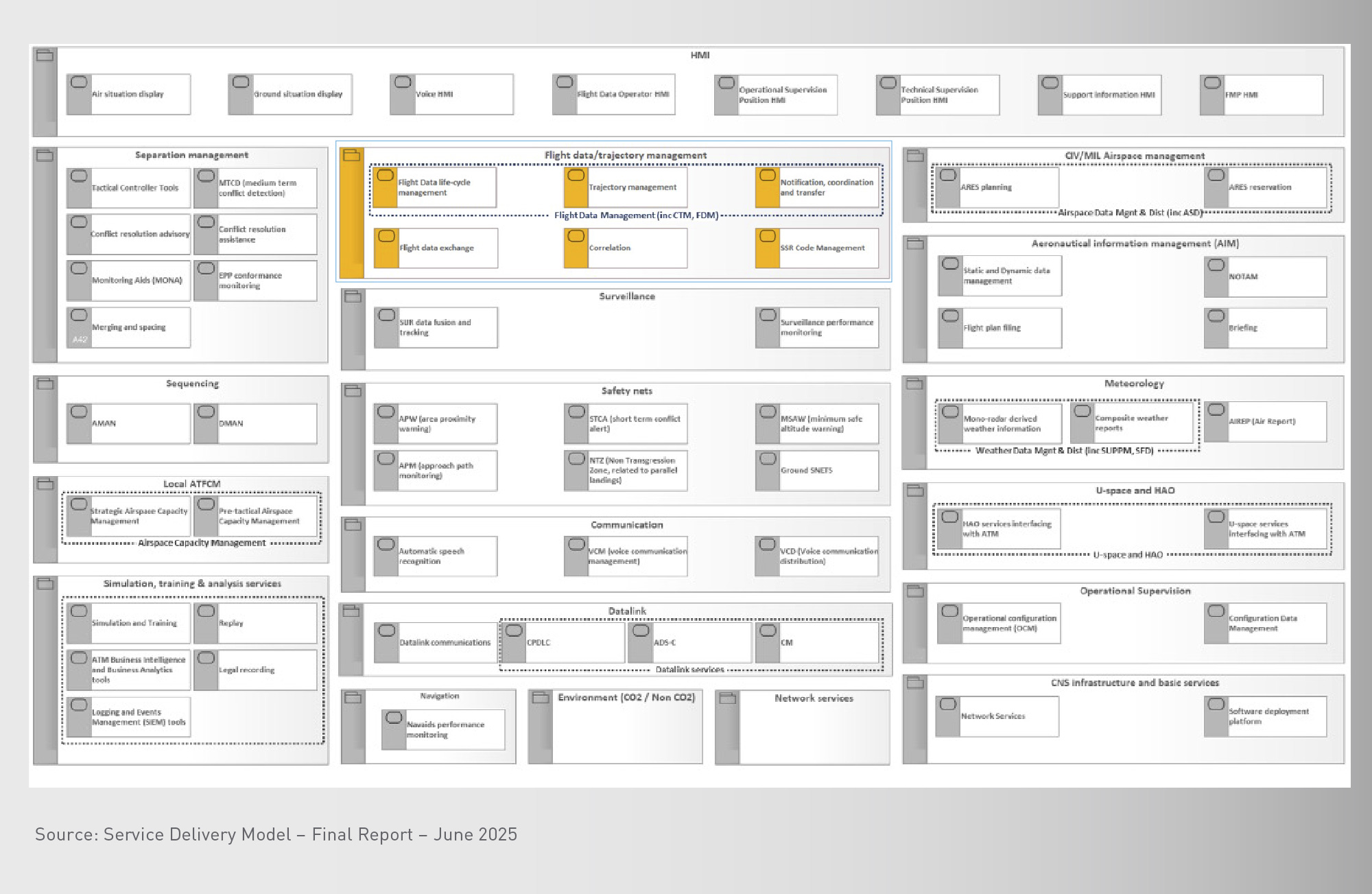
ATM functionality is structured into coarse Level 1 service groups and finer Level 2 services. Flight data management can be decomposed into lifecycle, trajectory, exchange, correlation, transfer and SSR code management services, enabling independent evolution, scaling and replacement of well-defined functions.
MosaiX is the Frequentis platform foundation for the Service Delivery Model. It provides the transition path from virtualised and container-based deployment towards cloud-native service architectures, including orchestration, monitoring, cyber security, lifecycle management and common platform capabilities for safety-critical operations.
Services expose documented APIs or message topics. Real-time brokers distribute operational state changes to subscribing services, enabling event-driven workflows. ATM data becomes consumable by capable HMIs and services without requiring point-to-point integration with one monolithic system.
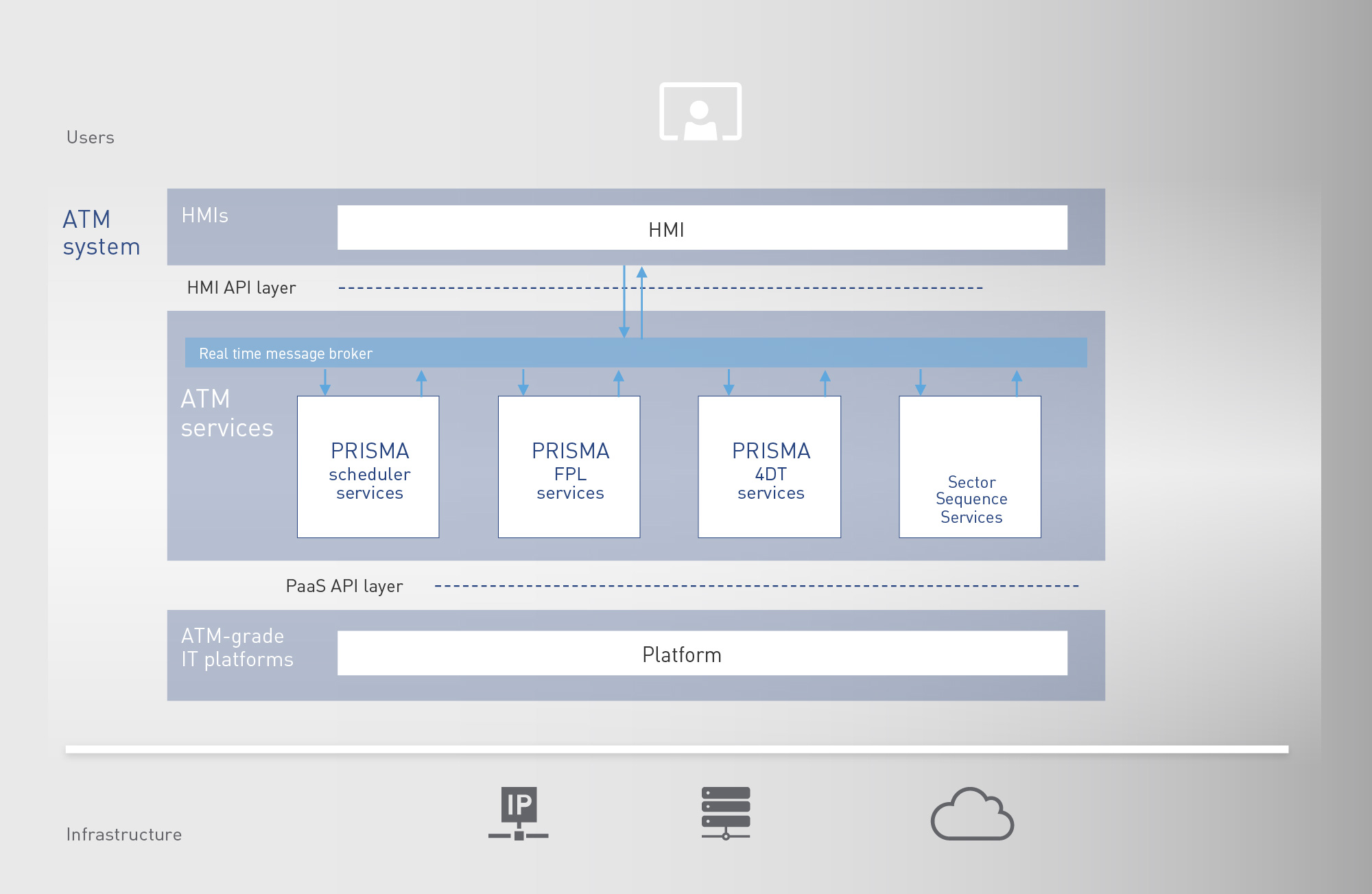
Services can be deployed on-premise, in private cloud, hybrid environments or hardware-isolated nodes. The layered architecture supports service location independence, redundancy across data centres and supplier diversity at platform or service level, improving resilience while preserving operational workflows.
With DFS, Frequentis is turning the Service Delivery Model into a real operational implementation. Phoenix nG uses service-based PRISMA flight data processing on a next-generation cloud-native platform and is planned as a high-capacity backup system.
Related Products
Video
By watching a video Vimeo/YouTube will store cookies on your end-device. See chapter 2 and 3 of the Privacy Notice.
eXplore: Service Delivery Model

The video link has been copied to clipboard
Manage cookies